

故事開始 The Story Begins
旁白 Narrator: 小朋友,今天我們要說猴子與獅子的故事。
Children, today we are going to tell the story of the Monkey and the Lion.
旁白 Narrator: 有一天,有一隻猴子在森林裡遇到一隻獅子。
One day, a monkey met a lion in the forest.
初次見面 First Meeting
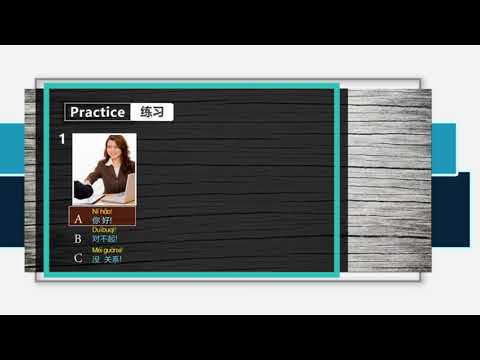
猴子 Monkey: 「你好!」
"Hello!"
獅子 Lion: 「你好!」
"Hello!"
去河邊玩 Let's Play by the River
猴子 Monkey: 「我們一起去河邊玩耍吧。」
"Let's go play by the river together."
獅子 Lion: 「好呀!」
"Okay!"
旁白 Narrator: 於是猴子和獅子就一起走去河邊。猴子跟獅子一起在河邊唱歌、跳舞。
So the monkey and the lion went to the river together. They sang and danced by the river.
驚喜發現 Exciting Discoveries
猴子 Monkey: 「快看快看!我看到1條魚!」
"Look, look! I see one fish!"
獅子 Lion: 「我也看到一條魚了!」
"I see a fish too!"
猴子 Monkey: 「原來不只有一條魚,是2條魚。快看!」
"Actually, not just one fish, there are two fish. Look!"
獅子 Lion: 「真的耶!是兩條魚。」
"It's true! There are two fish."
猴子 Monkey: 「快看快看!我看到一隻蝦子!」
"Look, look! I see a shrimp!"
獅子 Lion: 「我也看到一隻蝦子了!」「原來不只有一隻蝦子,是3隻蝦子。快看!」
"I see a shrimp too!" "Actually, not just one shrimp, there are three shrimps. Look!"
猴子累了 Monkey is Tired
猴子 Monkey: 「獅子,我有一點累了,我先睡一下,等一下你要叫醒我喔!」
"Lion, I'm a bit tired. I'll take a nap first. Wake me up later, okay?"
獅子 Lion: 「當然沒問題呀!」
"Of course, no problem!"
長頸鹿出現 Giraffe Appears
旁白 Narrator: 於是猴子就睡著了。就在這個時候,突然有一隻長頸鹿出現了。
So the monkey fell asleep. Just then, a giraffe suddenly appeared.
長頸鹿 Giraffe: 「你好,獅子。」
"Hello, Lion."
獅子 Lion: 「你好,長頸鹿。」
"Hello, Giraffe."
猜謎遊戲 Riddle Game
長頸鹿 Giraffe: 「你們在河邊做什麼呢?」
獅子 Lion: 「我們剛剛在玩耍。我們還看到魚和蝦子。但是猴子累了,所以他現在在睡覺。」
長頸鹿 Giraffe: 「那我來陪你玩吧!」「我們來玩猜謎遊戲。」
獅子 Lion: 「太棒了,謝謝。」「當然好呀。」
長頸鹿 Giraffe (Riddle 1): 「白天不見,晚上出現,圓圓亮亮,掛在天邊。它是什麼?」
獅子 Lion: 「我知道。是月亮。因為晚上的時候月亮會在天上,照亮夜空。」
長頸鹿 Giraffe: 「答對了!你好聰明。那我再考你一題。」
長頸鹿 Giraffe (Riddle 2): 「紅紅的臉蛋,穿著綠衣裳,咬一口脆又甜,小朋友最愛它。它是什麼?」
獅子 Lion: 「我知道。是蘋果。」
長頸鹿 Giraffe: 「答對了!你好聰明。那我再考你一題。」
猴子醒了 Monkey Wakes & More Riddles
旁白 Narrator: 這個時候,猴子醒來了。
猴子 Monkey: 「你們在玩什麼遊戲呢?」
長頸鹿 Giraffe: 「我們在玩猜謎遊戲。」
猴子 Monkey (Riddle 3): 「那我就來問問你們。穿著綠衣,住在水邊,一開口就說『呱呱呱』。牠是誰?」
獅子 Lion: 「我知道。是青蛙。」
猴子 Monkey: 「答對了!你好聰明。那我再問你們一題。」
猴子 Monkey (Riddle 4): 「身穿黃衣服,彎彎像小船,剝了皮,甜又香。它是什麼?」
長頸鹿 Giraffe: 「我知道。是香蕉。」
猴子 Monkey (Riddle 5): 「答對了!你好聰明。那我再問你們一題。鼻子長長像水管,身體大大像山一樣。牠是誰?」
獅子 Lion: 「我知道。是大象。」
猴子 Monkey (Riddle 6): 「答對了!你好聰明。那我再問你們最後一題。愛洗臉,會捉老鼠,晚上眼睛亮晶晶。牠是誰?」
長頸鹿 Giraffe: 「我知道,我知道。是貓。」
猴子 Monkey: 「答對了!你們都好聰明。」
回家時間 Time to Go Home
猴子 Monkey: 「獅子,時間不早了,我們應該要回森林了。」
獅子 Lion: 「你說得對,不然我們的爸爸媽媽會擔心我們。再見了,長頸鹿。」
長頸鹿 Giraffe: 「再見,獅子和猴子。」
獅子 Lion: 「我們下次再一起玩。」
旁白 Narrator: 最後,獅子和猴子都回到森林去了。
猴子 Monkey: 「再見,獅子。」
獅子 Lion: 「再見,猴子。」
詞彙 Vocabulary
- 猴子 (hóu zi) - Monkey
- 獅子 (shī zi) - Lion
- 長頸鹿 (cháng jǐng lù) - Giraffe
- 你好 (nǐ hǎo) - Hello
- 森林 (sēn lín) - Forest
- 河邊 (hé biān) - Riverside
- 玩耍 (wán shuǎ) - To play
- 唱歌 (chàng gē) - To sing
- 跳舞 (tiào wǔ) - To dance
- 魚 (yú) - Fish
- 蝦子 (xiā zi) - Shrimp
- 月亮 (yuè liang) - Moon
- 蘋果 (píng guǒ) - Apple
- 青蛙 (qīng wā) - Frog
- 香蕉 (xiāng jiāo) - Banana
- 大象 (dà xiàng) - Elephant
- 貓 (māo) - Cat
- 再見 (zài jiàn) - Goodbye
- 聰明 (cōng míng) - Smart, clever
語法 Grammar
Greetings:
你好 (nǐ hǎo) - Universal greeting "Hello".
再見 (zài jiàn) - "Goodbye" (literally "see again").
Expressing agreement:
好呀 (hǎo ya) - "Okay!", "Sure!" (enthusiastic agreement).
當然沒問題呀 (dāng rán méi wèn tí ya) - "Of course, no problem!"
Measure Words (量詞):
Used with numbers to count nouns.
一條魚 (yì tiáo yú) - one fish (條 for long, slender objects).
一隻猴子 (yì zhī hóu zi) - one monkey (隻 for many animals).
Asking "What is it?":
它是什麼? (tā shì shén me?) - "What is it?"
文化背景 Cultural Context
- Greetings like 你好 are fundamental and show politeness.
- The use of particles like 呀 (ya) and 喔 (o) adds a friendly and natural tone to conversations.
- Riddles (猜謎 cāi mí) are a common and fun way to interact and learn, often used with children.
- The story emphasizes friendship, cooperation (playing together), and curiosity.
- Many riddles are based on common objects and natural phenomena, reflecting observations of daily life.



ابدأ المحادثة
كن أول من يشارك أفكاره!