




Hunan University of Science and Engineering is a full-time, ordinary undergraduate university approved by the Ministry of Education and sponsored by the People's Government of Hunan Province. The university is located in Yongzhou City, in the Zero Ling District, a historically significant city, a National Health City, a National Forest City, a National Forest Tourism Demonstration City, and one of the top 20 "Happy Cities" in China. The name "Zero Ling" originates from the historical text Shiji, where it mentions Emperor Shun, who died in the wilderness of Cangwu and was buried in the Nine Mountains of Jiangnan, thus giving the area the name Zero Ling. This name has since become a well-known ancient place name, which continues to be used to this day. The area is rich in cultural heritage, including Shun Culture, Liu Culture, Neo-Confucianism, Women's Writing Culture, and Yao Culture. It is the birthplace of famous historical figures such as Huang Gai, Huai Su, Zhou Dunyi, He Shaoji, and others, and has produced revolutionary figures such as Li Da, Tao Zhu, and Jiang Hua. The city is known for its profound cultural history, often referred to as "a book that cannot be finished in one sitting."
History and Development
The university began in 1941 as the Hunan Provincial Seventh Normal School. Over the years, it evolved through several stages, including Zero Ling Normal School, the Zero Ling Branch of Hunan Normal University, and Zero Ling Normal College of Higher Education. In 2002, it was upgraded to an undergraduate university named Zero Ling College. In 2004, it was renamed Hunan University of Science and Engineering. In 2017, it was approved to grant master's degrees and was authorized to build graduate programs. In 2019, the university passed the Ministry of Education's review and evaluation of undergraduate teaching with high marks. The university has won several prestigious awards, including the National Excellent Teaching Achievement Award and recognition as a model of "Reform in Teacher Education" by the Ministry of Education. It is also known for its excellent work in graduate employment, entrepreneurship, and political and ideological education.
Campus and Facilities
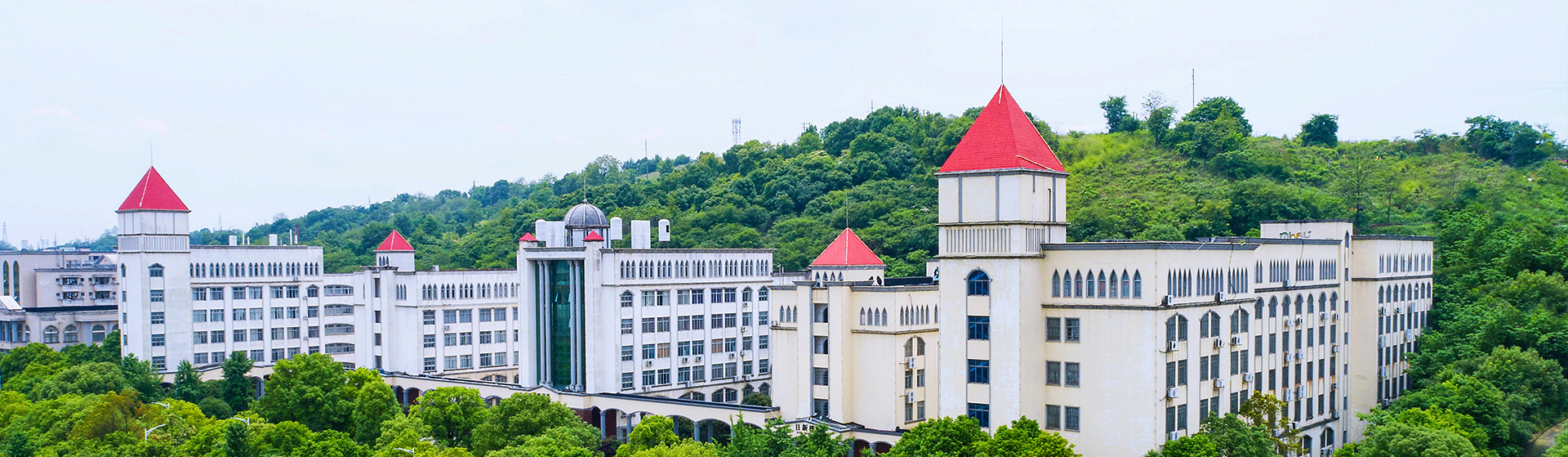
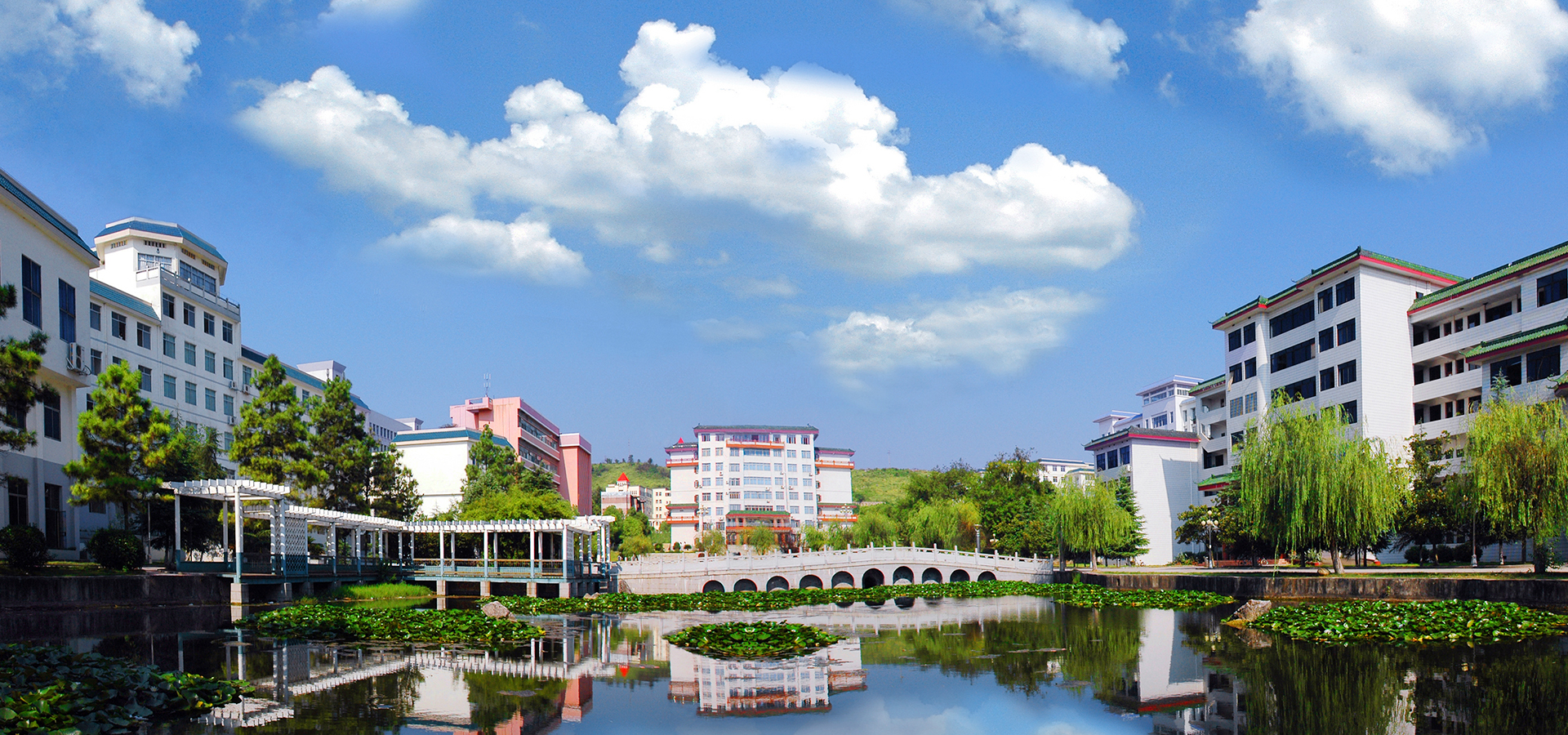
The university is located in a scenic area near the West Mountain and Xiang River, adjacent to the ancient Zero Ling city. The campus covers an area of 1080 acres and is home to 14 teaching colleges, offering 53 undergraduate programs across eight academic disciplines, including economics, law, education, literature, science, engineering, management, and the arts. The university enrolls students from 28 provinces, municipalities, and autonomous regions in China, with over 17,000 full-time students. Over the course of its 80-year history, the university has educated more than 110,000 graduates, including prominent figures such as Academician Ouyang Xiaoping of the Chinese Academy of Engineering.
Faculty and Research
The university has 1,225 staff members, including 987 full-time faculty members. Among them, 129 hold senior professional titles, and 262 have doctoral degrees. The faculty includes experts who enjoy special government allowances, such as experts selected for the State Council's special allowance, Hunan Province's special allowance, the Hunan Province "Furong Scholars" program, and other provincial and national talent support programs.
The university boasts 4 national-level first-class undergraduate programs, 6 national-level first-class undergraduate courses, and several provincial-level research centers. It is home to 58 provincial-level first-class courses and has a strong presence in key areas such as engineering and social sciences, with two provincial-level laboratories, two provincial-level virtual simulation experimental teaching centers, and more. The university's research capacity is further evidenced by its 20 provincial-level "first-class undergraduate program" construction points and numerous engineering research centers and social science research bases.
International Cooperation and Global Presence
Hunan University of Science and Engineering has strengthened its international profile in recent years, establishing cooperative relationships with over 40 universities from countries including the United States, the United Kingdom, Poland, Spain, Japan, and several Belt and Road Initiative countries. The university has also enrolled over 200 international students from more than 20 countries.
Teaching and Student Achievements
The university focuses on maintaining a central position for teaching and has implemented significant reforms to its talent cultivation model. The goal is to train well-rounded, high-quality applied talents with solid foundational knowledge, strong practical abilities, high overall quality, innovative thinking, and the capacity to adapt to the needs of a changing economy and society. Over the past five years, faculty members have received numerous awards in national and provincial teaching competitions, including three national third-place awards, two provincial first-place awards, and multiple other top-tier awards. Students have also achieved notable successes in various national competitions, including the "Internet+" Innovation and Entrepreneurship Competition, the National College Students Electronic Design Competition, and the National College Students Art Exhibition, earning gold and first-place awards.
Institutional Mission and Vision
The university adheres to its mission of being "local, application-oriented, and distinctive," actively contributing to the "three highs and four news" initiative (high-level, high-technology, high-quality, new industry, new economy, new culture, and new development). It works to align the education, talent, industry, and innovation chains, striving to build a regionally distinctive system for integrating industry and education in the new era. The university has been actively involved in regional economic and social development and has received multiple provincial and national science and technology awards, including the National Agricultural and Animal Husbandry Harvest Award.
Guided by the principles of Xi Jinping's Thought on Socialism with Chinese Characteristics for a New Era, the university strives to fulfill its original mission of cultivating talents for the Party and the nation. It adheres to the educational philosophy of "Quality makes the school, talent strengthens the school, distinctive features make the school famous, service promotes the school, culture honors the school, and innovation keeps the school alive." The university is marching forward toward becoming a high-level, application-oriented university with distinctive local characteristics.
(Data as of May 2024)
Iniciar la conversación
¡Sé el primero en compartir tus pensamientos!