


Click here to get a hard copy of this book
1.
小叶:刚才你去哪儿了?
Xiao Ye: Where did you go just now?
Xiao Ye: ¿Adónde fuiste hace un momento?
莉莉:我跟直美逛商店去了。
Lili: I went shopping with Naomi.
Lili: Fui de compras con Naomi.
小叶:你买东西了吗?
Xiao Ye: Did you buy anything?
Xiao Ye: ¿Compraste algo?
莉莉:我没买东西,直美买了。
Lili: I didn't buy anything, Naomi did.
Lili: Yo no compré nada, Naomi sí.
小叶:她买了什么东西?
Xiao Ye: What did she buy?
Xiao Ye: ¿Qué compró ella?
莉莉:她买了三件衬衣、两条裙子,还有一项帽子。
Lili: She bought three shirts, two skirts, and a hat.
Lili: Ella compró tres camisas, dos faldas y un sombrero.
小叶:嗬,买了这么多!
Xiao Ye: Wow, she bought so much!
Xiao Ye: ¡Vaya, compró tantísimo!
2.
小叶:周末你做什么了?
Xiao Ye: What did you do over the weekend?
Xiao Ye: ¿Qué hiciste el fin de semana?
莉莉:我朋友来北京了,周末我陪他去长城了。
Lili: My friend came to Beijing, and I accompanied him to the Great Wall over the weekend.
Lili: Mi amigo vino a Beijing, y lo acompañé a la Gran Muralla durante el fin de semana.
小叶:你们去颐和园了没有?我觉得颐和园的风景特别美。
Xiao Ye: Did you go to the Summer Palace? I think its scenery is particularly beautiful.
Xiao Ye: ¿Fueron al Palacio de Verano? Creo que su paisaje es particularmente hermoso.
莉莉:还没去呢。我们打算后天去。
Lili: Not yet. We plan to go the day after tomorrow.
Lili: Todavía no hemos ido. Planeamos ir pasado mañana.
小叶:你请他吃北京烤鸭了吗?
Xiao Ye: Did you treat him to Beijing roast duck?
Xiao Ye: ¿Le invitaste a comer pato laqueado de Pekín?
莉莉:那还用说。昨天我们在全聚德吃了一大只烤鸭。
Lili: Of course. We had a big Peking duck at Quanjude yesterday.
Lili: Por supuesto. Ayer comimos un gran pato laqueado en Quanjude.
3.
英男:听说小雨病了。咱们抽时间去看看他吧。
Ying Nan: I heard Xiao Yu is sick. Let's find some time to visit him.
Ying Nan: Escuché que Xiao Yu está enfermo. Encontremos un momento para visitarlo.
保罗:好,什么时候去?
Paul: Okay, when shall we go?
Paulo: Vale, ¿cuándo vamos?
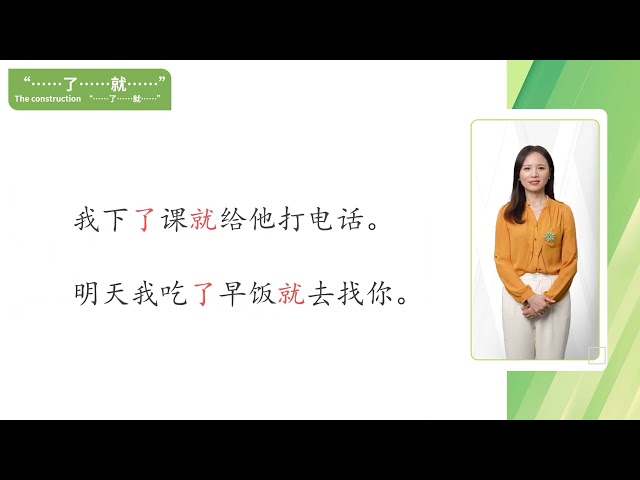
英男:明天没有课,吃了早饭就去吧。
Ying Nan: I don't have class tomorrow, let's go after breakfast.
Ying Nan: Mañana no tengo clase, vamos después del desayuno.
保罗:你已经告诉小雨了吗?
Paul: Have you already told Xiao Yu?
Paulo: ¿Ya le has dicho a Xiao Yu?
英男:还没呢,我下了课就给他打电话。
Ying Nan: Not yet, I will call him after class.
Ying Nan: Todavía no, le llamaré después de clase.
Click here to get a hard copy of this book


Commentaires