


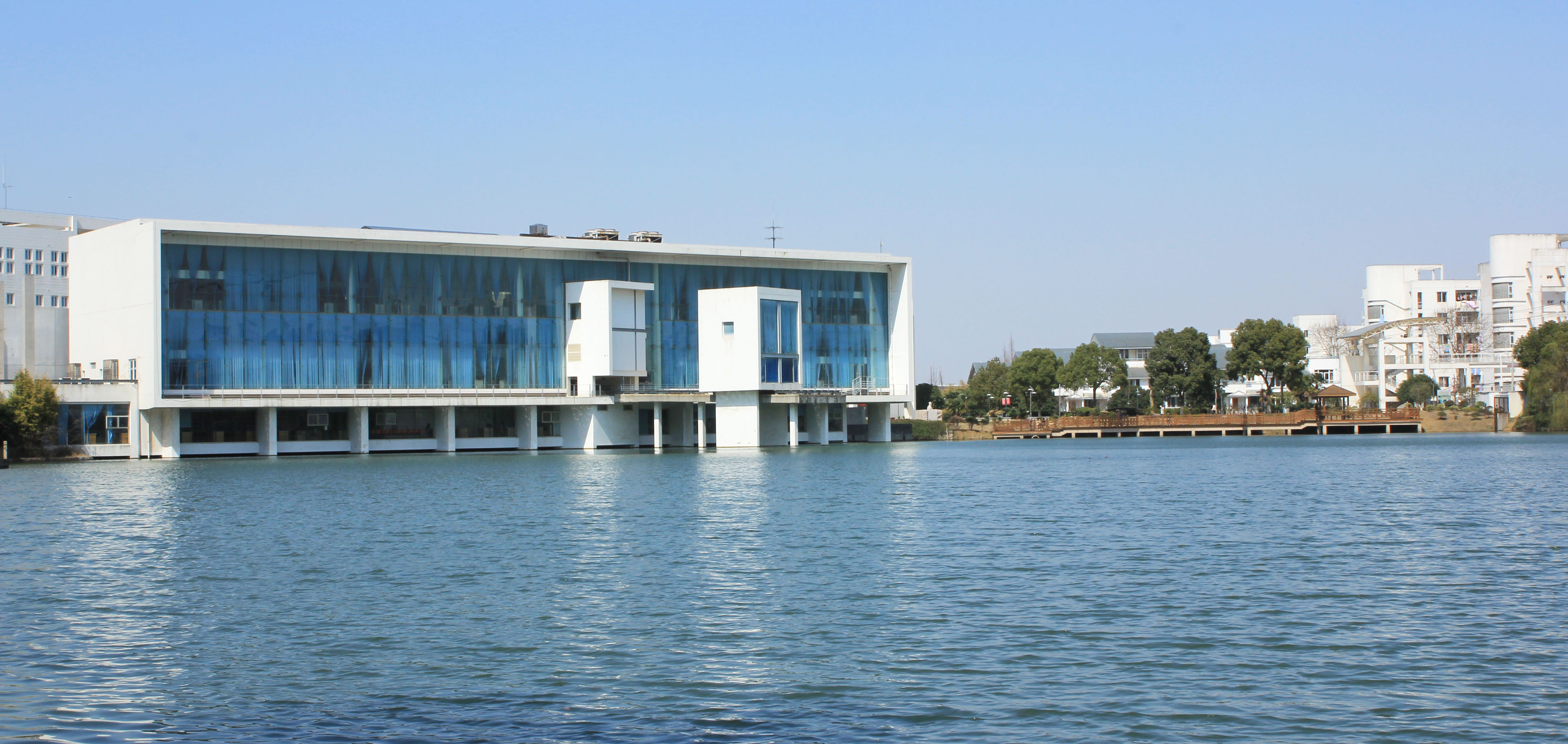

Suzhou City University (formerly Wenzheng College of Soochow University) was founded in 1998 as a public-private partnership institution under the Ministry of Education’s first batch of officially registered colleges. In 2005, it was approved to become an independent college. In December 2020, the Ministry of Education issued a letter of approval to the Jiangsu Provincial Government, granting permission for Suzhou University Wenzheng College to transition into Suzhou City University.
Suzhou City University is a publicly funded institution offering undergraduate programs, managed by the Jiangsu Provincial Government and operated by the Suzhou Municipal Government, with academic support from Suzhou University. The university adheres to the philosophy of being "local, application-oriented, open, and distinctive," with the goal of building a first-class, high-level application-oriented university in China.
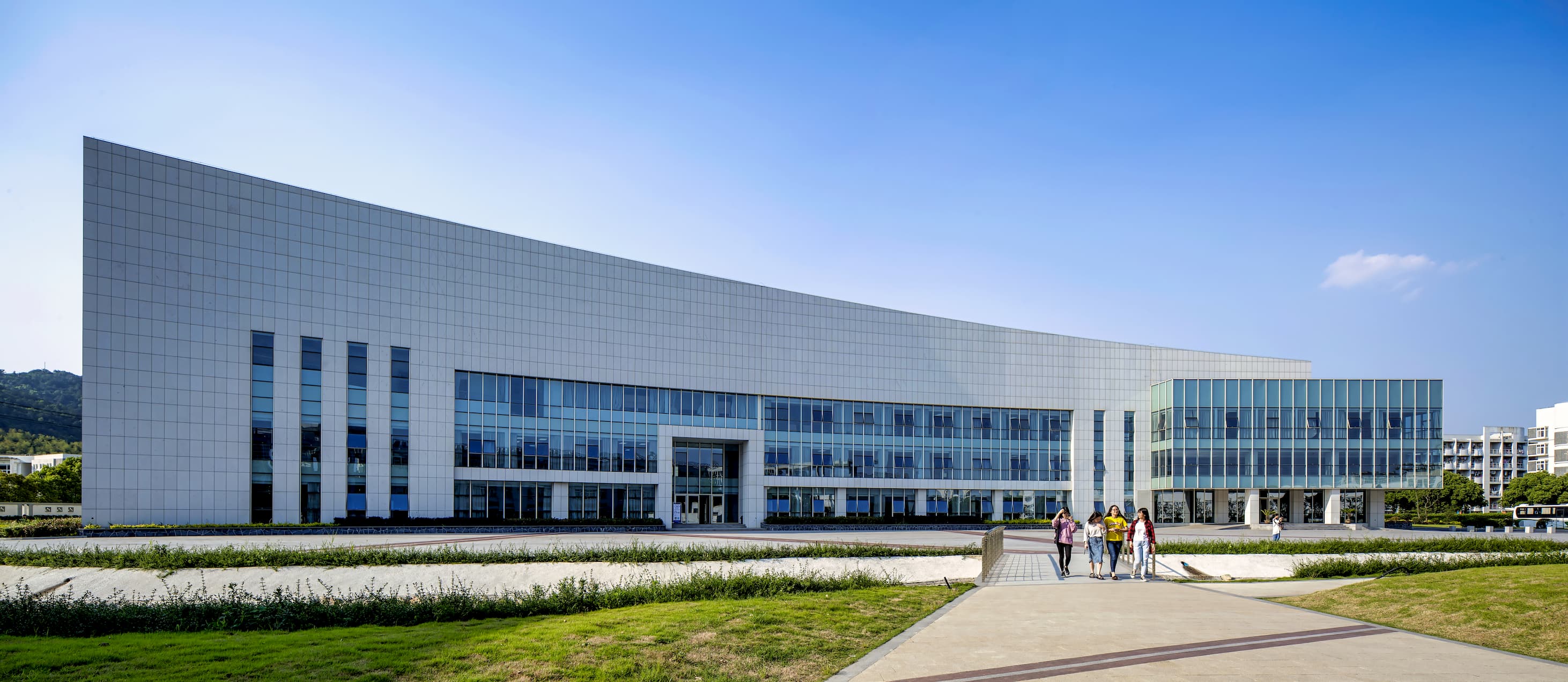
The university is located in the southwest of Suzhou's ancient city, within the Suzhou International Education Park, next to the national-level Taihu Lake Scenic Area, offering beautiful natural surroundings and rich historical and cultural resources. In 2022, it was recognized as one of the first "Green Schools (Universities) in Jiangsu Province." The university's library, located by the Cuiwei Lake, is one of the representative works of Wang Shu, the winner of the Pritzker Architecture Prize (the "Nobel" of architecture), and won the Excellence Award in the Public Architecture category of the 2003 China Architectural Art Awards.
The university currently offers seven disciplines: Literature, Science, Engineering, Economics, Management, Law, and Arts. It has eight colleges: the College of Marxism, the College of Urban Culture and Communication, the College of Urban Governance and Public Affairs, the College of Digital Economy and Management, the College of Design and Arts, the College of Computer Science and Artificial Intelligence, the College of Optics and Electronics Information, and the College of Intelligent Manufacturing and Smart Transportation. In addition, there is the Basic Teaching Department. The university offers 52 undergraduate programs, with nearly 12,000 full-time undergraduate students.
The university adheres to the socialist direction of education, focusing on talent cultivation. It emphasizes moral development, aiming to create high-quality, application-oriented graduates who are well-rounded, with a solid foundation, broad knowledge, strong social responsibility, innovation, and practical ability. In December 2022, the university was approved to offer master’s degrees and has started joint master's programs with partner institutions. Its Optics Engineering discipline is a key discipline under the provincial "14th Five-Year Plan." Several programs, including Archives, Optoelectronic Information Science and Engineering, Information Engineering, Electronics Information Science and Technology, Computer Science and Technology, Chinese Language and Literature, and English, are recognized as provincial first-class programs. The Computer Science and Technology program is part of the provincial "Excellent Engineer Education and Training Plan 2.0." Other programs, such as Electronics Information Science and Technology, Internet of Things Engineering, and Information Engineering, have been recognized as provincial industry-education integration brand programs, and English is recognized as a provincial international talent cultivation brand program. In 2023, the university added one national-level first-class undergraduate course and one provincial-level first-class undergraduate course. The university is exploring an interdisciplinary talent training model for application-oriented universities and has established the Wen Zheng College, offering engineering and liberal arts foundation classes. It is also pioneering a "one-stop" student community management model, recognized as a pilot by the Ministry of Education.
In response to the Suzhou Municipal Government's initiative to strengthen the protection, inheritance, and research of intangible cultural heritage, the university has collaborated with theaters, museums, enterprises, and other organizations to form an innovation joint initiative for the inheritance of traditional Chinese performing arts. The Suzhou Ping Tan School and the Suzhou Art School have become affiliated institutions, helping to create a talent cultivation system for the arts with a Suzhou特色 (distinctive Suzhou characteristics) and promoting the creative transformation and innovative development of traditional Chinese culture.
The university also places a strong emphasis on innovation-driven development, closely aligning with the economic and social development of Suzhou. It actively supports local industries and new technologies by building research platforms. The university has received approval for the Jiangsu Provincial Bio-photonics Technology Key Laboratory, the Jiangsu Provincial Advanced Perception and Intelligent Equipment Engineering Research Center, and the Jiangsu Provincial Technology Innovation Think Tank Base. It has also co-established research centers with the Ministry of Industry and Information Technology and the Jiangsu Provincial Urbanization and Rural Planning Research Center. Other platforms include the Taihu Research Institute, the Multimodal Data Fusion and Smart Health Key Laboratory, the Wen Zheng Think Tank, and the Suzhou Bio-photonics Technology Key Laboratory.
In 2021, the Wen Zheng Think Tank was recognized as a new type of think tank in Suzhou, with 34 research outcomes approved by provincial and ministerial-level leaders. The university is addressing industry challenges, such as developing new bio-photonic sensors, bio-imaging, sensing technologies, and innovations in materials with optical properties. Additionally, the university focuses on community health promotion, health data management, and the development of intelligent robotics and smart transportation systems.
The university adheres to a "service-oriented development" philosophy, engaging in over 400 cooperative partnerships with local governments, enterprises, and industry associations. It focuses on Suzhou's industrial transformation and educational integration, successfully launching a "Specialized, Refined, Characteristic, and Innovative" industry college under the Ministry of Industry and Information Technology. The university has also established industry-specific colleges, such as the Health and Wellness Industry College, Digital Finance Industry College, Artificial Intelligence Industry College, and Robotics and Intelligent Manufacturing College. Each year, the university collaborates with enterprises to offer micro-specialties in line with industry needs. In 2024, it will offer new micro-specialties in health industry management, digital marketing, digital twin technology, laser intelligent applications, and low-carbon energy technology. Additionally, the university focuses on integrating innovation and entrepreneurship education into its curriculum, helping students develop entrepreneurial skills and innovative thinking.
Suzhou City University remains committed to an open educational model, advancing high-quality international collaboration. It has established close partnerships with over 50 universities across 10 countries and regions, focusing on student exchange, faculty visits, academic exchanges, and research collaboration. The university also runs a joint program with U.S. institutions for credit recognition, offering programs in finance, journalism, and English.
Guided by the ideals of socialism with Chinese characteristics and Xi Jinping's New Era of Socialism with Chinese Characteristics, the university is advancing six strategic projects — Innovation-driven Development, Talent Empowerment, Quality-based Schooling, Distinctive Excellence, Cultural Flourishing, and Resource Optimization. The university is fully committed to advancing the goals of "Assessment, Master's Degree Approval, and First-Class Development" to build a high-level application-oriented university, contributing to the rapid development of Suzhou's new quality productivity and advancing the modernization of Suzhou's economy.
(Data updated as of September 2024)
Commencez la conversation
Soyez le premier à partager vos réflexions !