

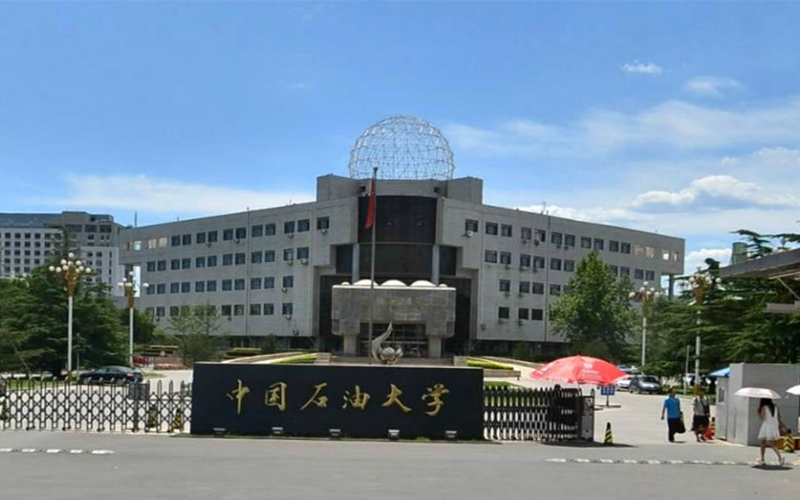
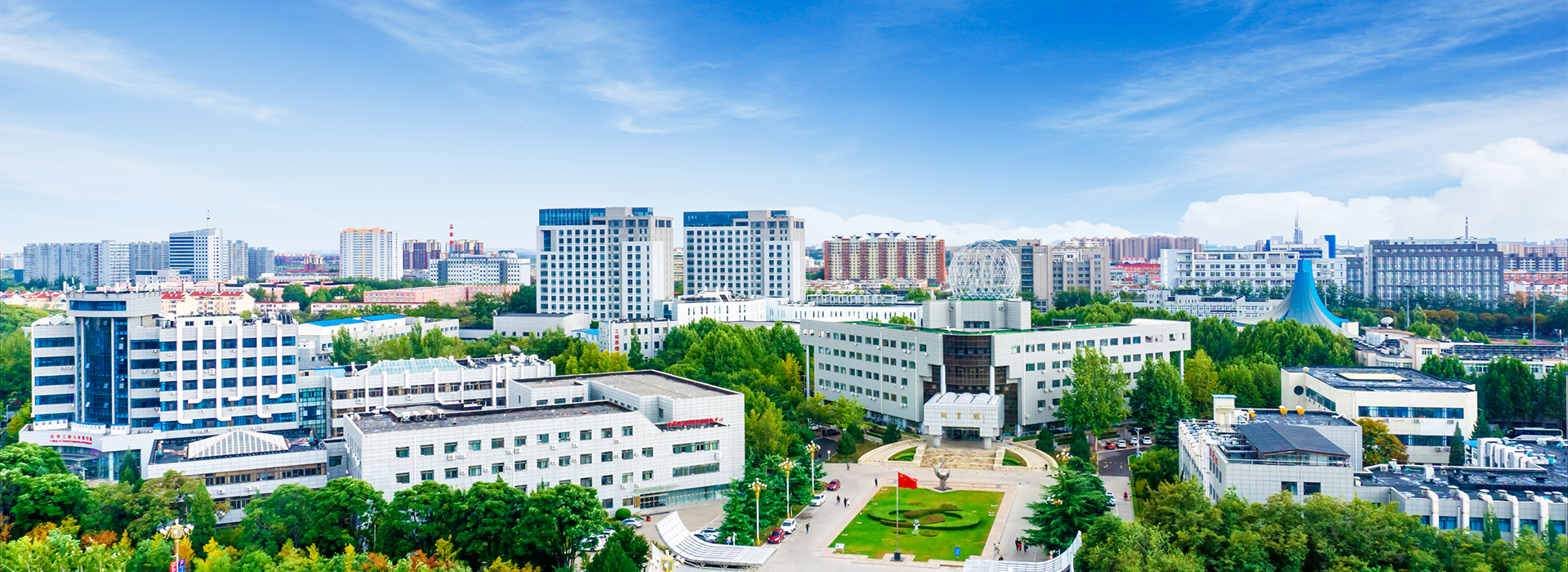

China University of Petroleum (Beijing) traces its origins to Beijing Petroleum Institute, founded in 1953. It was established on the foundation of Tsinghua University’s Chemical Engineering and Petroleum Engineering departments, combined with faculty from Tianjin University, Peking University, and other institutions, becoming the first higher education institution in petroleum in New China. This marked the beginning of petroleum higher education in China. The university operates on two campuses: the main campus in Changping District, Beijing, nestled at the southern foothills of the Jundu Mountains, covering over 700 acres, and the Karamay campus, constructed in 2015 in Karamay City, Xinjiang Uygur Autonomous Region, known as the "City of Petroleum," covering over 7,000 acres.
Since its establishment, the university has been a key national institution leading the petroleum industry. In the 1960s, it was designated as one of China’s 64 key universities. Since the reinstatement of the degree system in the 1980s, it was among the first institutions to be granted the authority to confer master’s degrees. From the 1990s onwards, it joined the national "211 Project" and "Innovative Platform for Advantageous Disciplines" initiatives. In 2017, it was selected as part of the "Double First-Class" initiative.
The university remains rooted in Chinese soil, dedicated to higher education, and has made significant contributions to the development of the petroleum and petrochemical industries and the nation’s energy strategy. Over 300,000 specialized professionals have been trained here, earning the university the title "Cradle of Petroleum Talent." In July 2020 and May 2023, General Secretary Xi Jinping sent letters to graduates from the Karamay campus and international students from Central Asia, affirming the university's educational achievements and contributions. In 2023, the university celebrated its 70th anniversary, which unified development strategies and charted a clear path forward, accelerating its journey to becoming a world-class research university with distinctive energy-sector characteristics.
Distinctive Disciplines and Strength
The university adheres to the principle of "strengthening advantages, fostering innovation, and achieving first-class status," building a discipline system centered on energy. This ecosystem is led by first-class disciplines, supported by core and foundational disciplines, covering the full spectrum of the oil and gas industry. The university boasts two national "Double First-Class" disciplines and two Beijing key disciplines. It holds prominent advantages in fields such as oil and gas science and engineering, and oil and gas transformation science and engineering, while actively developing clean, low-carbon, intelligent disciplines like carbon neutrality engineering and technology, and artificial intelligence for oil and gas. Eight disciplines rank in the top 1% globally in ESI, with engineering, chemistry, and earth sciences in the top 0.1%.
Integration of Industry and Education
The university’s main campus hosts over 9,000 undergraduates, 7,000 master’s students, 2,000 doctoral students, and 600 international students. The Karamay campus accommodates over 8,000 undergraduates and 600 master’s students. The university has created an education system emphasizing moral cultivation, interdisciplinary knowledge, and holistic development in ethics, intellect, physical fitness, aesthetics, and labor. It has 21 national first-class undergraduate programs, 20 provincial and ministerial first-class programs, and is a pioneer in hosting national-level competitions in energy fields. Its integrated talent cultivation model blends academic and industry expertise, fostering high-level professionals valued by society and employers.
Talented Faculty and Research Excellence
The university prioritizes talent as its primary resource, employing over 1,500 staff members at the Beijing campus and 700 at the Karamay campus. Among its faculty, 68% at the main campus and 58% at Karamay hold senior professional titles, with a majority possessing doctoral degrees. The university is home to academicians, national-level leading talents, and young talent groups, building a high-caliber academic team.
Scientific Innovation and Achievements
As a high-level research university, it emphasizes technological innovation and addressing national strategic needs. It leads in oil and gas research and has achieved breakthroughs in unconventional resources, clean energy, and intelligent oil and gas technologies. The university operates two national key laboratories, 28 provincial and ministerial-level innovation platforms, and has received numerous national science and technology awards.
Global Engagement
The university maintains a strong international presence, collaborating with industry leaders like China National Petroleum Corporation (CNPC), Sinopec, and CNOOC. It initiated the World Energy University Alliance and actively participates in global energy education, forming a Belt and Road Energy Education Community.
Cultural Legacy
Rooted in its red heritage, the university upholds values such as hard work and patriotism. It instills in students the ethos of "serving where the country needs them most," reflected in its academic culture and campus spirit.
Looking ahead, the university is committed to its mission of achieving carbon neutrality and adapting to energy transformation, striving to become a world-class research university with unique energy-focused characteristics, contributing to national rejuvenation and global energy solutions.
(Data as of September 2024)
Start the conversation
Be the first to share your thoughts!