



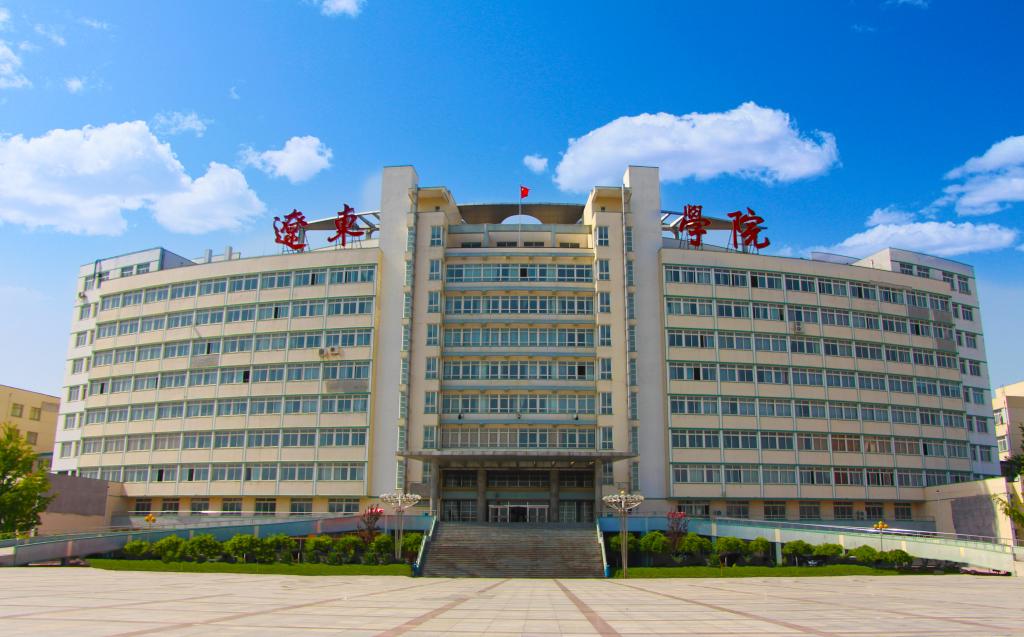
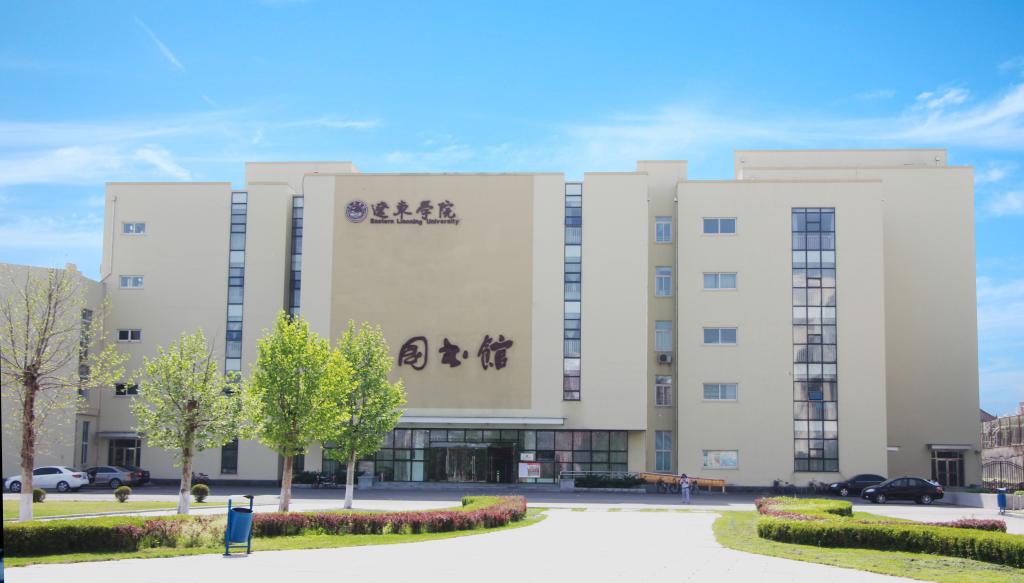
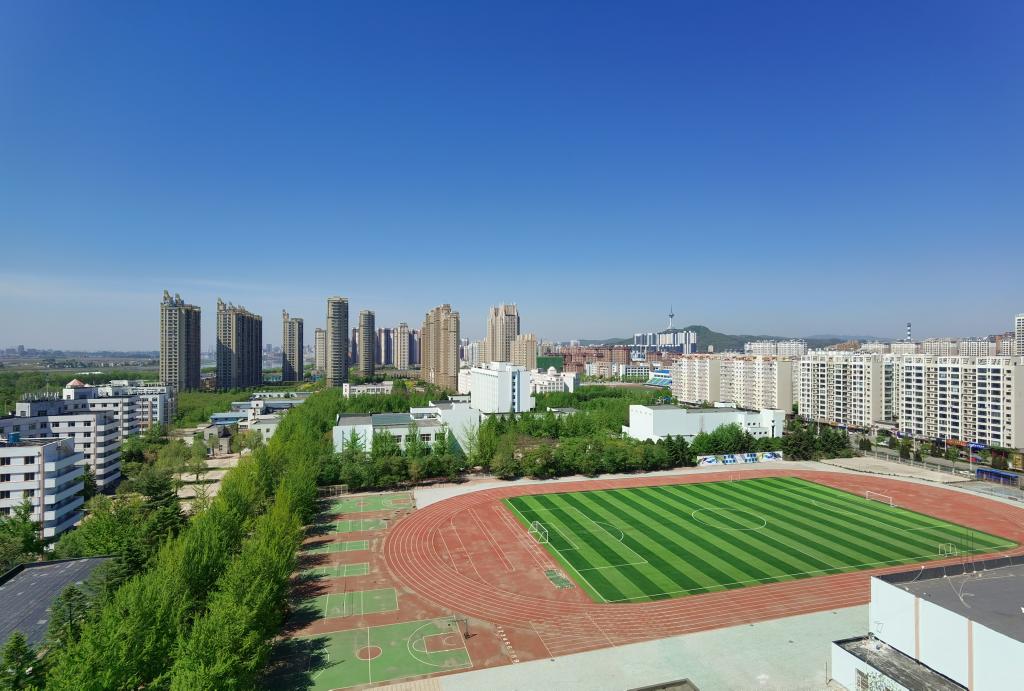

Liaodong University is located on the banks of the Yalu River, near the Yellow Sea, in Dandong, Liaoning Province—China’s largest and most beautiful border city. It faces the North Korean city of Sinuiju across the river. The university is the closest public university to the national border, and it is the only provincial public undergraduate institution in China with geographical features such as being located along the border, the coast, and the river. Over the years, the university has focused on local development, serving Liaoning, looking to the Northeast, and expanding nationally and internationally. It adheres to a "comprehensive," "applied," and "internationalized" approach to education, aiming to build a high-quality and distinctive regional applied university.
A Legacy of 100 Years: Establishing a "Comprehensive" Foundation for Development
Eastern Liaoning University traces its origins back to the establishment of the private Antong San Yu National Higher School (Horticulture School) in 1912, and its higher education roots began in 1948 with the founding of the Antong Provincial Agricultural College. After the founding of the People's Republic of China, Dandong developed a number of long-established higher education institutions with unique regional characteristics and deep cultural heritage. Following continuous development and reform, in April 2003, these institutions merged to form Eastern Liaoning University. The university benefits from traditional strengths in areas such as agricultural technology, teacher training, textiles, finance and economics, healthcare, and more. It combines agricultural and medical sciences with engineering, economics, and business disciplines. Currently, the university operates 13 full-time secondary colleges, offering 50 undergraduate programs and 19 higher vocational programs, covering nine disciplines: economics, education, literature, science, engineering, agriculture, medicine, management, and arts. It has been approved to offer one national first-class major, three national pilot programs, and 21 provincial-level high-quality programs. It is the only university in Liaoning Province responsible for training rural general practitioners.
With 1,529 faculty and staff members, 960 full-time teachers, 50% of whom are "dual-qualified" instructors, and 49% holding senior academic titles, the university boasts a highly qualified faculty, with 85% of its teachers holding master's or doctoral degrees. It is home to several national and provincial-level experts, including recipients of the State Council’s Special Allowance, as well as provincial "Hundred, Thousand, Ten Thousand Talent Projects" scholars, outstanding teachers, and renowned educators. The university’s campuses cover an area of over 820,000 square meters, with a building area nearing 410,000 square meters and total assets worth 820 million yuan. Its library holds nearly 1.15 million books, and the university enrolls more than 16,000 full-time students.
Committed to Local Development and "Applied" Talent Cultivation
The university has always been deeply integrated with the local community, focusing on the region's talent needs and socioeconomic development. It has established interdisciplinary research institutes such as the Modern Textile Research Institute, the Yalu River Basin Research Institute, the Korean Peninsula Research Institute, the Green Economy Research Institute, the Rural Revitalization Research Institute, and the Modern Special Agricultural Research Institute, creating a "big platform" for talent development. Over the years, the university has achieved significant results in studying the history, culture, ethnicity, ecological protection, and national security of the Yalu River Basin, particularly in research on the history of Goguryeo and the culture of the Liaodong Great Wall. Its courses on the spirit of the Korean War (Anti-US Aid Korea) have been included in national party courses, and its research on cultural heritage has been recognized by the Ministry of Propaganda. The university is home to three provincial-level key laboratories, focusing on functional textile materials, water environment radioactive early-warning monitoring technology, and blueberry breeding and post-harvest processing. It has made breakthroughs in key technologies such as "spinning and yarn quality," "environmentally friendly flame retardants," and eco-friendly dyeing techniques for local silkworm silk. The university's antistatic fabrics were used in the "Shenzhou VII" space suits, supporting astronauts on their journey into space.
The university emphasizes moral education, student-centered teaching, and practical skills, aiming to foster high-quality, applied talents. It integrates vocational education at all levels, from secondary vocational to applied undergraduate education, and aligns its curriculum with industry needs and professional standards. It uses a talent development model that integrates real-world work environments, production lines, and practical skills. With continuous industry collaboration, the university has developed a system for cultivating talent that effectively bridges the gap between vocational, undergraduate, and professional postgraduate education. Since its establishment, the university has trained nearly 200,000 high-quality applied professionals for society.
Leveraging Geographical Advantage and Enhancing "Internationalization"
The university leverages its unique geographical location by strengthening its focus on border culture, enhancing its international exchanges, and promoting cooperation with neighboring countries. It has built several cultural and historical exhibitions, such as the Yalu River Basin Museum, Liaodong Region's Flora and Fauna Specimen Museum, Silk and Textile Museum, and Anti-American Aid Korea Spirit Museum, among others, to deepen the cultural connection with its students and staff. With its proximity to the Korean Peninsula, the university has developed strong international cooperation with South Korea, North Korea, and Japan. It has established the first Confucius Institute in North Korea and has continuously sent Chinese language teachers to North Korea for over 15 years, guiding students to win global Chinese language competitions.
In line with the Belt and Road Initiative, the university has opened English-taught bachelor's programs in computer science, textile engineering, international trade, and Chinese language studies to students from Asia, Africa, and other regions. The university has also developed strong relationships with over 60 universities in countries like Russia, Uzbekistan, and Kyrgyzstan. It has launched international cooperation programs, such as the "2+2" joint degree program with South Korean partner institutions and a "4+0" computer science program with Russia’s Nizhny Novgorod State Technical University.
Looking to the Future
Guided by Xi Jinping’s New Era of Socialism with Chinese Characteristics, Eastern Liaoning University will continue to develop as an applied university with a strong focus on regional revitalization. The university will remain committed to its mission of educating students for the Party and the country, staying true to its educational philosophy of integrating knowledge and practice, and striving to build a high-quality regional applied university with distinctive characteristics. The university is determined to contribute to the comprehensive revitalization of Liaoning and Northeast China by enhancing its academic, cultural, and international influence, and by advancing the quality of education and research.
Start the conversation
Be the first to share your thoughts!