


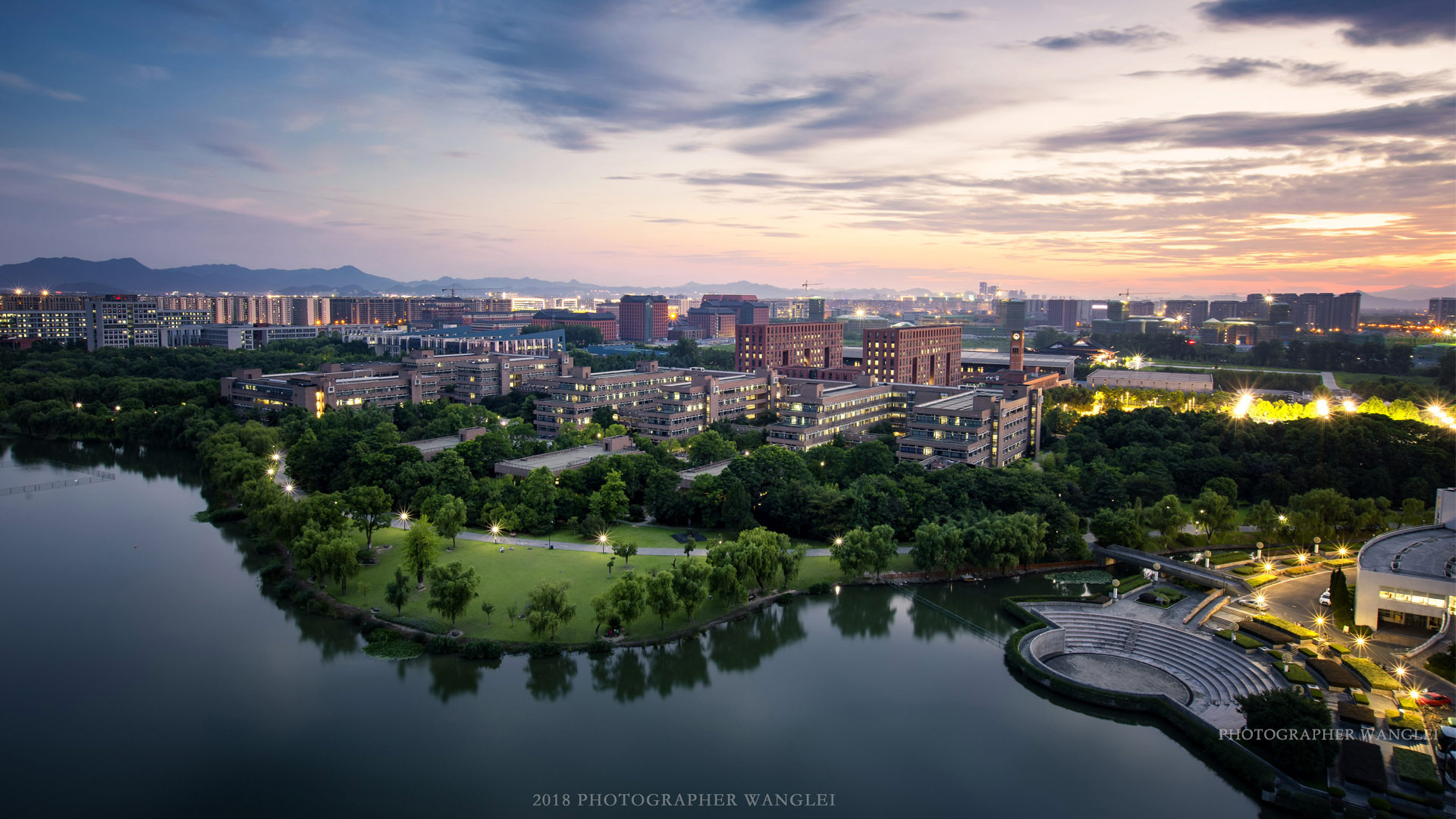


Zhejiang University (ZJU) is a prestigious institution of higher education with a long and distinguished history, located in Hangzhou, a renowned historical and cultural city as well as a popular scenic tourist destination in China. Its predecessor, Qiushi Academy, was founded in 1897 and was one of the earliest modern institutions of higher learning established by the Chinese themselves. In 1928, it was named National Zhejiang University. During the War of Resistance Against Japanese Aggression, the university moved westward and operated in Zunyi and Meitan in Guizhou Province for seven years before returning to Hangzhou in the autumn of 1946.
During the nationwide restructuring of higher education institutions in 1952, some of Zhejiang University's departments were transferred to other universities and the Chinese Academy of Sciences. The main body remaining in Hangzhou was divided into several single-discipline institutions, which later evolved into the former Zhejiang University, Hangzhou University, Zhejiang Agricultural University, and Zhejiang Medical University. In 1998, these four universities, sharing the same roots, merged to form the new Zhejiang University, embarking on a new journey toward becoming a world-class university. Over its 129-year history, Zhejiang University has consistently upheld the fine tradition of its motto, "Seeking Truth and Pursuing Innovation" (Qiushi Chuangxin). It has gradually forged the shared values of ZJUers—"Diligence, Virtue, Discernment, and Practicality"—and the ZJU spirit of "Embracing Rivers and Oceans, Revealing Truth and Cultivating Virtue, Pioneering Knowledge and Empowering the People, and Serving the Nation."
Mission and Vision
During his tenure in Zhejiang Province, Comrade Xi Jinping maintained close personal contact with Zhejiang University, visiting the campus 18 times to provide guidance and delivering a series of important instructions on the university's reform and development. In April 2023, General Secretary Xi Jinping once again issued critical directives to the university, outlining a magnificent blueprint for building a world-class university with Chinese characteristics at a high level. Guided by these instructions, the university successfully convened its 15th Party Congress, putting forward its mission, vision, and mission-led development strategy for the new era.
Zhejiang University’s educational mission is to take responsibility for the world and seek truth, dedicating itself to knowledge innovation and cultural leadership. It aims to cultivate a new generation capable of shouldering the great task of national rejuvenation, making outstanding contributions to Chinese modernization and the progress of human civilization. Its development vision is to build a world-class comprehensive, research-oriented, and innovative university, serving as a strategic base for cultivating and gathering exceptional talent, a vital platform for cultural inheritance and exchange, a national strategic scientific and technological force, and a global highland for innovation.
Academic Structure and Campuses
Zhejiang University is a comprehensive, research-oriented, and innovative university with distinct characteristics and significant influence at home and abroad. Its disciplines span 13 broad categories: philosophy, economics, law, education, literature, history, science, engineering, agriculture, medicine, management, arts, and interdisciplinary studies. The university comprises 7 faculties, 41 specialized colleges (departments), 1 polytechnic institute, 2 Sino-foreign cooperative institutes, and 7 directly affiliated hospitals.
The university operates across 7 campuses: Zijingang, Yuquan, Xixi, Huajiachi, Zhijiang, Zhoushan, and Haining. It covers a total area of 7,392,273 square meters, and its library system holds a collection of 8.22 million volumes. As of the end of 2025, the university had 70,918 full-time students, 6,787 international students, and 9,787 faculty and staff members. Its faculty includes 30 full-time academicians of the Chinese Academy of Sciences and 20 full-time academicians of the Chinese Academy of Engineering. In 2022, Zhejiang University was selected for the second round of "Double First-Class" university construction, with 21 disciplines included in the first-class discipline construction list, and the vast majority of its disciplines making encouraging progress in the fifth round of national discipline evaluation.
Education and Outstanding Alumni
Closely focused on the core requirement of "possessing both moral integrity and professional competence, and achieving comprehensive development," Zhejiang University fully implements the fundamental task of fostering virtue through education. It is accelerating the construction of a student-centered framework for educational excellence, striving to cultivate high-quality, globally competitive innovative talents and leaders who are well-rounded in morality, intelligence, physical fitness, aesthetics, and labor.
Throughout its long history, the university has produced a multitude of renowned scientists, cultural masters, and elite leaders across various fields. Notable alumni include 1 Nobel Prize laureate, 5 winners of the State Preeminent Science and Technology Award, 4 recipients of the "Two Bombs, One Satellite" Meritorious Medal, 1 recipient of the "August 1st Medal," 1 military-wide model hero, 5 recipients of national honorary titles, 6 "Most Beautiful Strivers," and over 250 academicians of the Chinese Academy of Sciences and the Chinese Academy of Engineering. They have made active contributions to realizing the great rejuvenation of the Chinese nation and promoting cultural exchange and mutual learning among civilizations.
Research and Innovation
Zhejiang University places a strong emphasis on rigorous academic research and technological innovation. It proactively serves major national strategic needs, accelerates the building of a national strategic scientific and technological force, and has established a number of open, internationalized, high-end academic platforms. By bringing together scholars, masters, and top-tier research teams across disciplines, it has produced a series of major scientific and technological breakthroughs, highlighted by the Special Prize of the National Science and Technology Progress Award.
Its philosophy and social sciences are also developing with strong momentum. Achievements in cultural inheritance and innovation—such as the Comprehensive Collection of Ancient Chinese Paintings, the Complete Collection of Chinese Rites, and Dunhuang Studies—have generated widespread influence both domestically and internationally.
Future Outlook
"The nation has its academy, situated on the shores of Zhejiang." Zhejiang University will unswervingly take Xi Jinping Thought on Socialism with Chinese Characteristics for a New Era as its guide. Adhering to the strategic orientation of becoming "higher quality, more exceptional, more respected, and more visionary," the university remains dedicated to knowledge innovation and cultural leadership, cultivating a new generation to shoulder the great task of national rejuvenation, and making outstanding contributions to Chinese modernization and the advancement of human civilization.
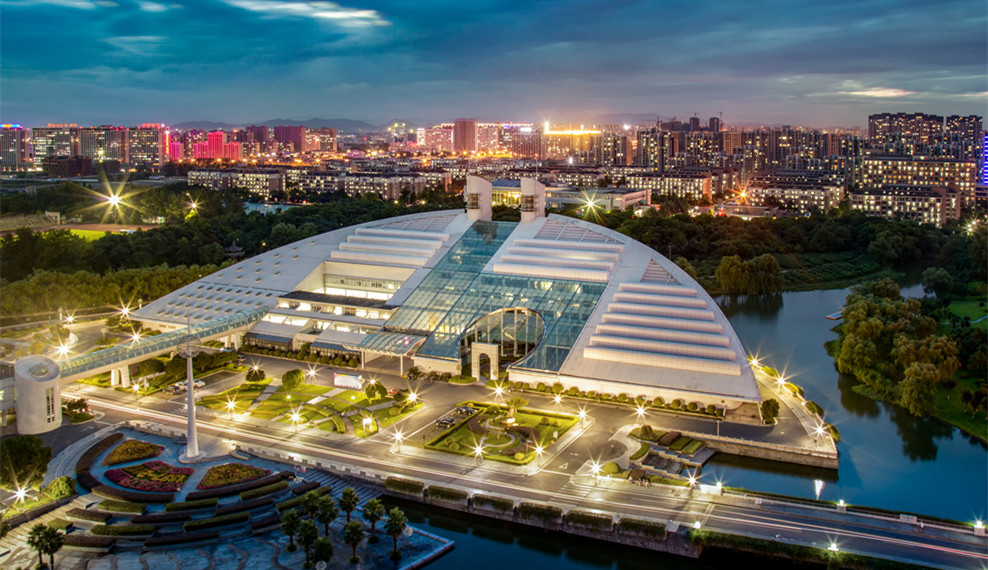
General
-
Location: Hangzhou, capital of Zhejiang Province, host city of G20 Summit 2016 and the 2022 Asian Games
-
Year founded: 1897
-
Colleges and schools: 40
o Undergraduate: 29,014
o Graduate: 38,642
o International students: 4,700+
o Countries represented by international students: 150+
-
Alumni worldwide: 700,000+

Academics
-
Undergraduate programs: 119
-
Master’s programs: 300+
-
Doctoral programs: 200+
-
Global study programs: 600+
-
Partner universities for global study: 200+
-
Members of Chinese Academy of Sciences: 27
-
Members of Chinese Academy of Engineering: 21
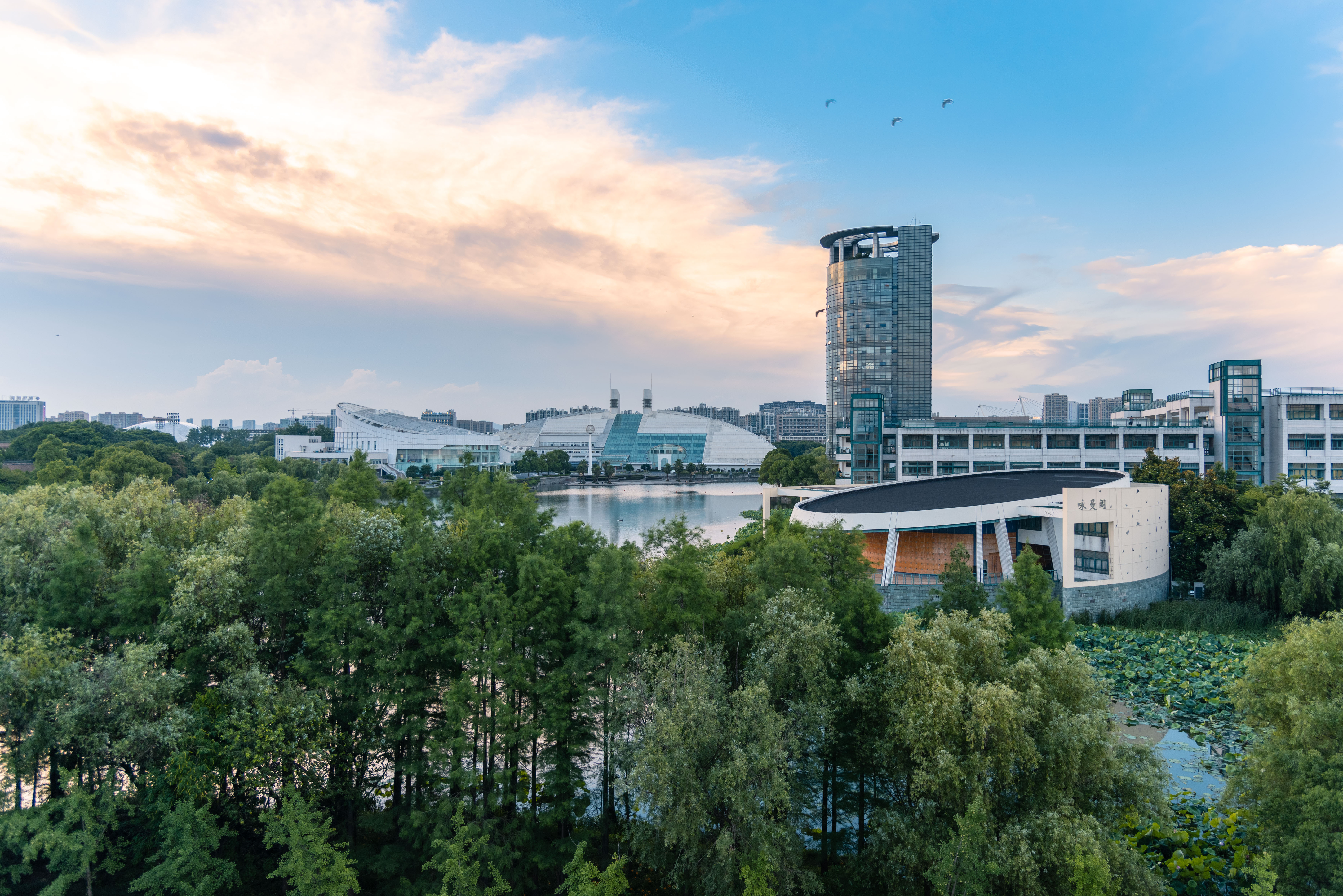
Campus
-
Campuses: 7
-
Acres on all campuses: 1,960
-
Libraries: 8
-
Volumes held: more than 8.09 million
-
International joint institutes: 2
-
Affiliated hospitals: 7
-
Museum + specimen banks: 1 + 4
-
Plant specimens: 140,000+
-
Student associations: 225+
-
Career centers: 1 main + 39 divisions
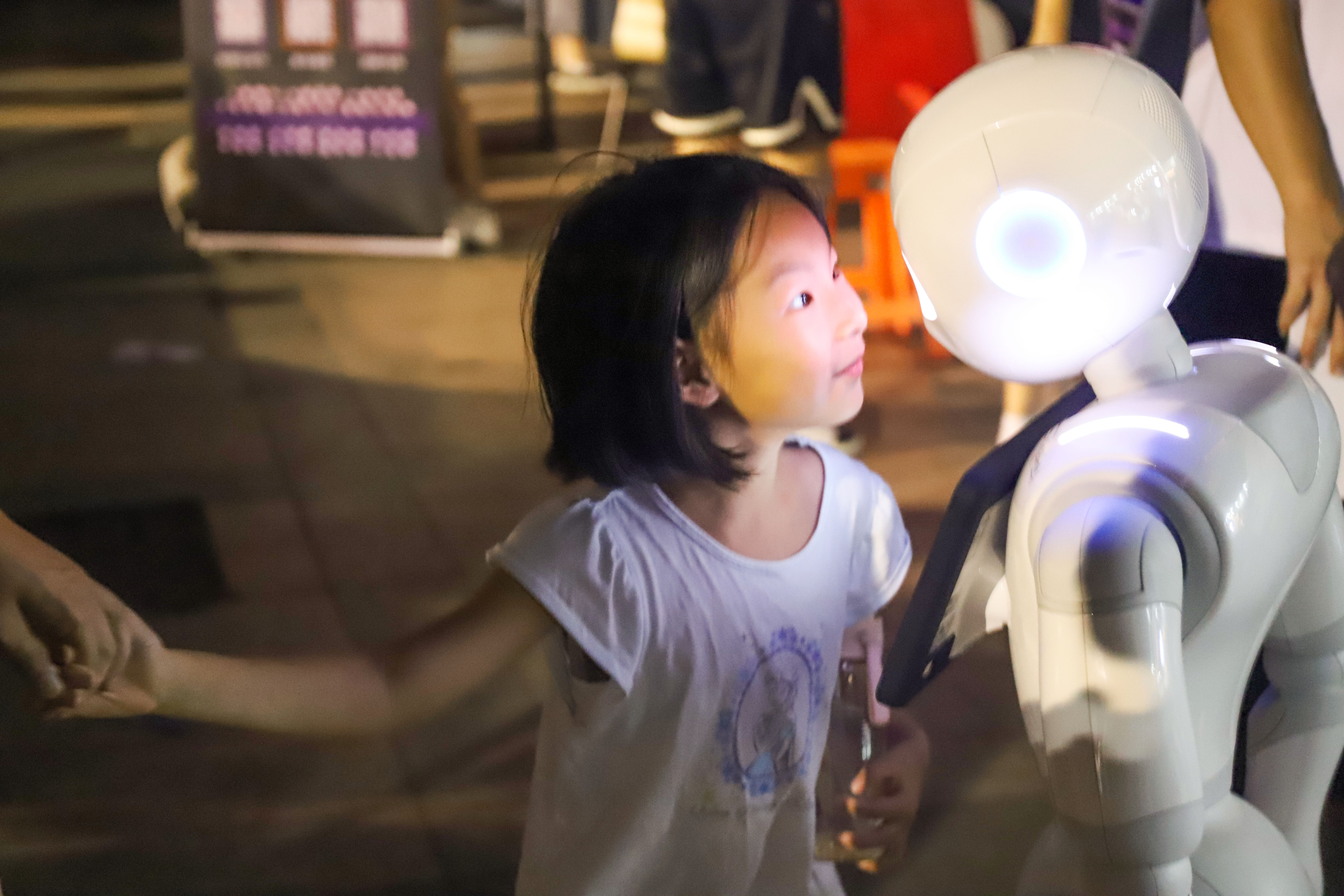
Research & Innovation
-
Highly cited Chinese researchers (2022): 204
-
Branch Centers for Technology Transfer: 100
-
National Awards for Science and Technology (2012-2020): 61
-
10 world’s top 1‰ disciplines (ESI March, 2023)
-
Papers included in SCI (2021): 10,828
-
Companies created by ZJU entrepreneurs: 150+
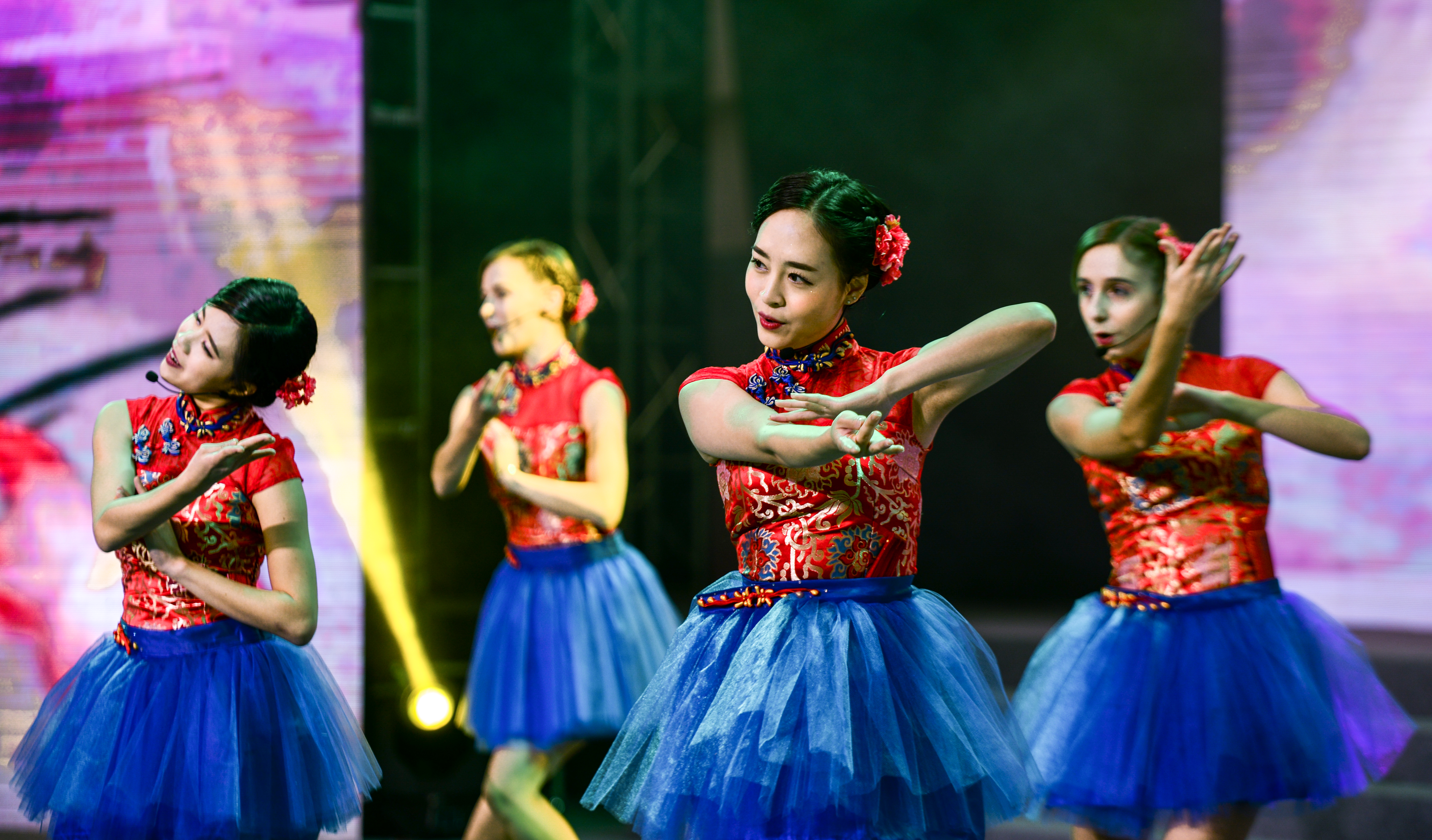
Athletics & Arts
-
Number of varsity sports: 35
-
Provincial, national and international championships (2016-2020): 497
-
Olympic medals won by ZJU alumni: 10
-
Provincial and national awards won by ZJU Wenqin Art Troupe (2016-2020): 66
-
International gold medals won by ZJU Wenqin Art Troupe (2016-2020): 4
Начать разговор
Будьте первым, кто поделится своими мыслями!