



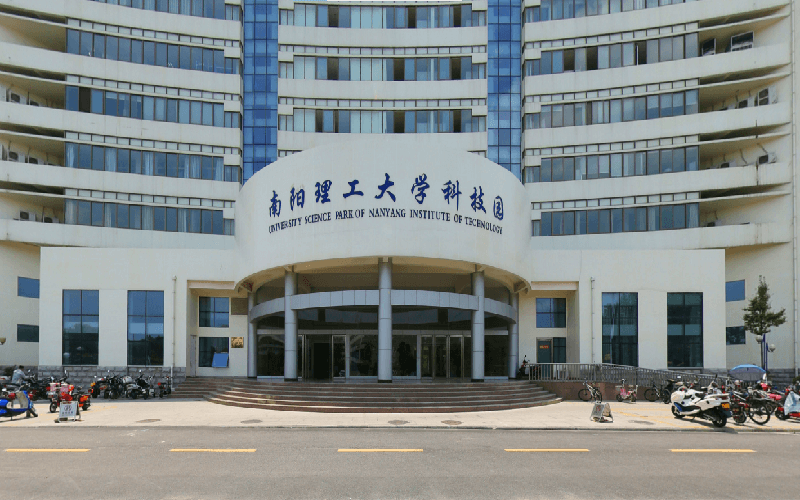
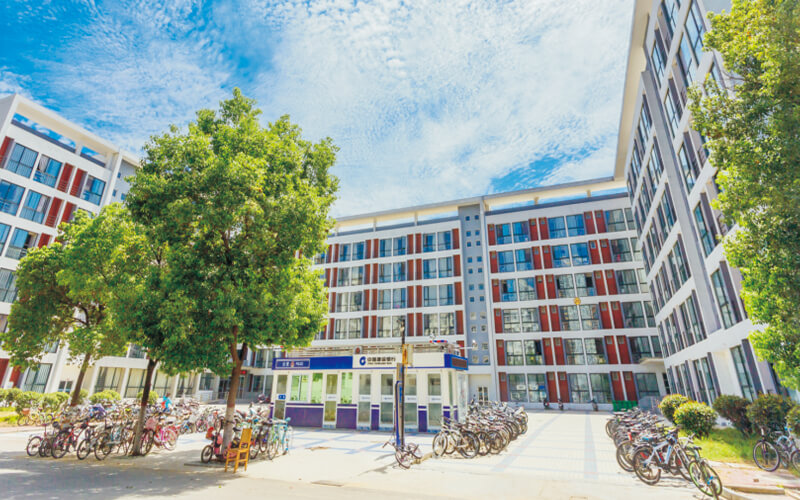
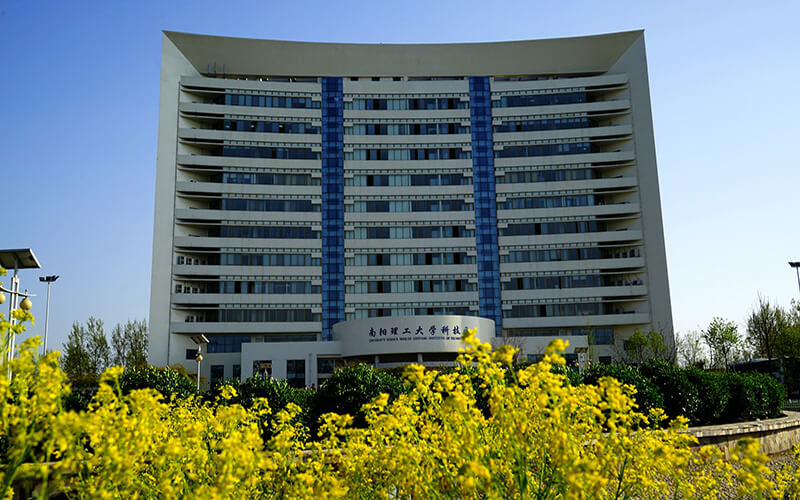

Nanyang Institute of Technology is a full-time public undergraduate institution located in Nanyang, Henan Province, a city rich in history and culture. The institution originated in May 1987 as Nanyang University, approved for establishment by the Henan Provincial Government. In January 1993, the State Education Commission approved its transition to Nanyang Institute of Technology, incorporating the former Zhang Zhongjing University of Traditional Chinese Medicine. In May 2004, it was elevated to an undergraduate institution with joint provincial and municipal management, with the city playing a leading role.
Achievements in Recent Years
NIT has earned numerous honors, including being designated as a National Modernization of Education Advancement Project Institution, part of the Ministry of Education’s Excellent Engineer Education Program, and a national model for innovation and entrepreneurship education. It has also been recognized as a pilot school for cultivating systematic abilities in computer-related disciplines by the Ministry of Education and has received multiple provincial and national accolades. Over the past three years, the university has consistently risen in the "Shanghai Ranking of Chinese Universities," moving from 467th to 400th and then to 374th place, contributing significantly to higher education development in Central China.
Development Over 37 Years
For 37 years, the university has upheld the spirit of "never yielding to mediocrity" and adhered to its motto of "Virtue, Knowledge, Truth, and Excellence." It follows the principles of rooting in Nanyang, serving Henan, and expanding nationwide, fostering a unique development path through industry-education integration and school-enterprise cooperation. This approach has nurtured high-quality, application-oriented talent for regional economic and social development.
Campus and Facilities
The university spans approximately 1560 mu (103 hectares) with a building area of 580,000 square meters. It offers eight academic disciplines: engineering, management, humanities, sciences, economics, medicine, arts, and education. NIT comprises 15 schools and departments with 61 undergraduate programs, serving over 25,000 full-time undergraduate and associate degree students. The university employs 1,729 staff members, including 560 professors and associate professors, and 1,349 faculty members with master’s or doctoral degrees.
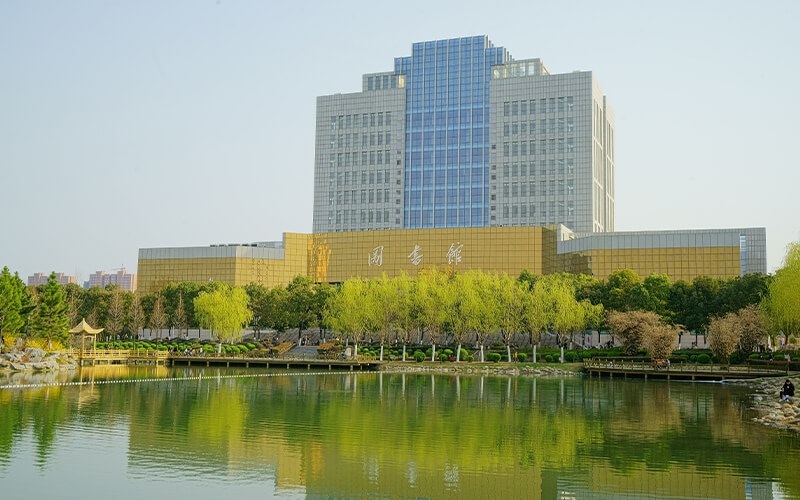
The institution is home to numerous state-of-the-art facilities and research platforms, including national and provincial laboratories, innovation centers, and engineering research bases, such as the Zhang Zhongjing Formula and Immunoregulation Laboratory, and the Henan Provincial Cloud Computing and Big Data Research Center. It also features a modern library with a collection of 4.28 million volumes.
Talent Cultivation and Academic Programs
NIT prioritizes talent cultivation, adhering to the principle of holistic education. The university emphasizes practice-based learning, aligning disciplines with regional industries to create an integrated academic and industrial ecosystem. NIT hosts nine pilot programs under the Ministry of Education’s “Excellent Plan” and offers five provincial key disciplines and seven provincial specialty majors. Additionally, it has developed 14 provincial-level first-class undergraduate programs and three national-level first-class courses.
Innovation and Entrepreneurship
NIT actively fosters innovation and entrepreneurship among students and alumni. It has established a university science park, innovation incubation bases, and entrepreneurial training centers, earning numerous provincial and national awards. The university's entrepreneurship success stories have been featured in State Council reports. Over the past five years, its graduate employment rate has consistently exceeded 95%, ranking among the top in Henan Province.
Competitions and Rankings
Students from NIT excel in national and international competitions, including the "Challenge Cup," ACM International Collegiate Programming Contest, and various engineering and cybersecurity contests. The university ranks 220th among national undergraduate institutions and 14th among newly established universities in China, showcasing its growing influence.
Global Collaboration and Partnerships
NIT has embraced openness and collaboration by joining national and regional university alliances. It has established partnerships with institutions in South Korea, New Zealand, the United Kingdom, and Taiwan, fostering international exchanges and cooperation. The university has also created research and cultural centers, serving as a key platform for international exchange in Nanyang.
Vision for the Future
NIT remains committed to enhancing its distinctive disciplines, optimizing faculty structures, and improving education quality. It strives to become a high-level applied science and engineering university with distinctive features. (As of October 2024)
开始对话
成为第一个分享想法的人!